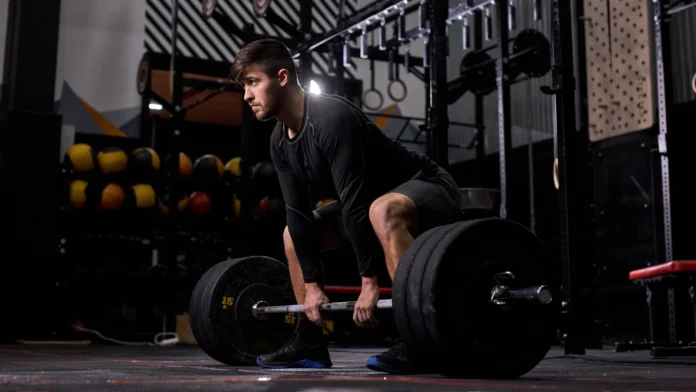


If your goal is to get undeniably stronger, few exercises deserve as much attention as the deadlift. It’s a lift that rewards patience, discipline, and consistency—and when trained correctly, it delivers full-body strength like nothing else. This five-day, eight-week program is built around that idea: prioritize the deadlift, practice it often, and support it with smart upper-body and accessory work.
Designed for intermediate to advanced lifters, this plan places the deadlift at the center of your week while keeping workouts efficient and focused. You’ll train five days per week, stay under an hour per session, and rotate intensities so you can push hard without burning out.
Program Overview at a Glance
- Primary Goal: Maximal strength
- Training Style: Split routine
- Experience Level: Intermediate to advanced
- Length: 8 weeks
- Frequency: 5 training days per week
- Session Duration: ~60 minutes
- Equipment: Barbells, dumbbells, cables, machines
- Who It’s For: Men and women looking to increase pulling strength
Why the Deadlift Deserves the Spotlight
The deadlift isn’t just another lower-body exercise—it’s a foundational movement that teaches your body how to produce force from the ground up. Hamstrings, glutes, quads, lats, traps, spinal erectors, grip, and core all work together in a single coordinated effort. That’s why progress on the deadlift often leads to progress everywhere else.
Dedicating an entire training block to this lift can help you:
- Push past long-standing strength plateaus
- Add muscle and strength to your posterior chain
- Improve grip strength and trunk stability
- See carryover to squats, rows, cleans, and presses
This approach is ideal if you already understand proper deadlift technique but feel stuck, inconsistent, or unsure how to structure your training for long-term progress.
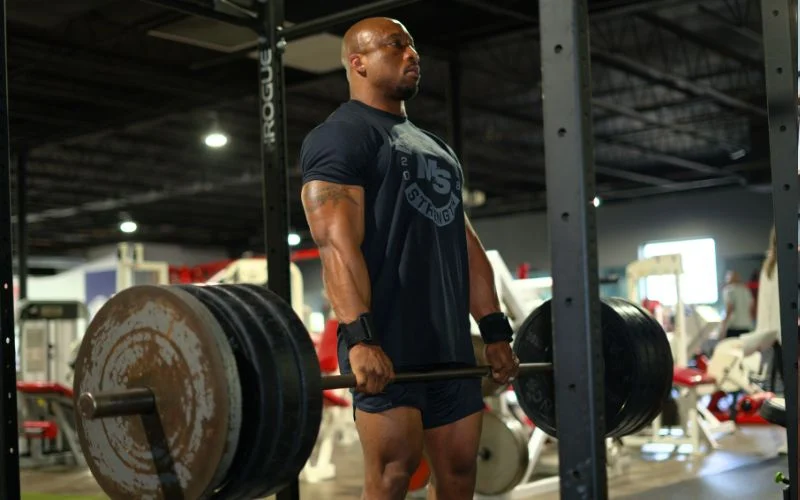
How the Weekly Structure Works
You’ll train five days per week, built around three deadlift sessions and two upper-body days:
- 3 deadlift-focused workouts (heavy, speed, and variation work)
- 2 upper-body sessions to maintain balance and overall strength
Each deadlift day has a distinct purpose, which allows you to train the lift frequently without overwhelming your recovery.
Sample Weekly Layout
- Monday: Deadlift Day A (heavy strength focus)
- Tuesday: Upper Body – Push
- Wednesday: Deadlift Day B (speed and power)
- Thursday: Rest or light active recovery
- Friday: Upper Body – Pull
- Saturday: Deadlift Day C (variations and weak-point work)
- Sunday: Rest
If your main goal isn’t strength—such as fat loss or pure hypertrophy—this program may not be the best fit. It’s intentionally narrow in focus.
Deadlift Training Days Explained
Day A: Heavy Pulling for Max Strength
This is your primary strength day. You’ll work with high percentages of your one-rep max and gradually increase reps and intensity over the weeks. Accessories like leg presses or hack squats and leg curls support leg strength and hamstring development without excessive fatigue.
A planned deload occurs in Week 7 to prepare you for a max test in Week 8.
Day B: Speed and Power Development
Here, the emphasis shifts to bar speed and explosive intent. Using lighter loads (50–60% of your max), you’ll perform multiple low-rep sets to improve force production and technique under fast conditions.
Accessory work such as dead-stop one-arm rows and shrugs reinforces upper-back strength—critical for maintaining position during heavy pulls.
Day C: Variations to Fix Weak Points
The third deadlift day targets problem areas with variations like deficit deadlifts or pause deadlifts. These force you to stay tight off the floor and strengthen positions where lifters commonly fail. Movements like good mornings and leg extensions add targeted posterior and quad support.
Upper Body Training: Keep It Strong, Not Exhausted
The two upper-body days are intentionally moderate in volume and intensity. They’re designed to maintain pressing and pulling strength without interfering with recovery from deadlift training.
- Push Day: Incline dumbbell presses, raises, dips, and arm work
- Pull Day: Pull-ups or pullovers, rows, rear delts, and arm isolation
Think of these sessions as supportive—not competitive with your deadlift work.
Warm-Up and Equipment Guidelines
Before each session, dedicate 10–15 minutes to preparation:
- Light cardio to raise body temperature
- Dynamic mobility for hips, hamstrings, and thoracic spine
- Activation drills for glutes, core, and grip
As for gear:
- Lifting belts are encouraged on heavy days
- Straps can be used for general strength, but avoid them if you plan to compete
- Stick with one deadlift style (conventional or sumo) for all eight weeks
Consistency matters more than variety here.
Why Deadlifting Three Times Per Week Works
Many lifters only deadlift once weekly, which limits technical practice. Training it three times per week offers several advantages:
- More Skill Practice: Frequent reps refine setup, bar path, and timing.
- Balanced Development: Heavy, speed, and variation days train different qualities.
- Improved Recovery: Volume is spread out instead of crammed into one brutal session.
- Faster Strength Gains: Repeated exposure strengthens neuromuscular patterns.
- Carryover Benefits: Stronger pulls enhance performance in many other lifts.
Recovery, Deloads, and Common Mistakes
Recovery is non-negotiable. Prioritize:
- 7–9 hours of sleep
- Adequate calories and protein
- Light movement on rest days (walking, mobility, yoga)
After Week 8, take a full week away from deadlifting and return with moderate full-body training before starting a new cycle.
Avoid these common errors:
- Adding weight outside the plan
- Training five days in a row without rest
- Including high-intensity cardio
- Switching deadlift styles mid-program
Final Thoughts
This program rewards patience and discipline. Follow the structure, respect the percentages, and let consistency do the work. If you commit to the process, you’ll come out of these eight weeks with a stronger deadlift, cleaner technique, and a new level of confidence when you step up to the bar.