

When it comes to diet plans, they often fall somewhere on a spectrum—one end emphasizing strict control over food quantity, the other focusing primarily on food quality. The Clean Eating Diet firmly plants itself at the quality end of this continuum. Unlike flexible dieting approaches such as “If It Fits Your Macros” (IIFYM), which prioritize hitting calorie and macronutrient targets regardless of food source, clean eating is about what you put on your plate, rather than just how much.
What Is Clean Eating?
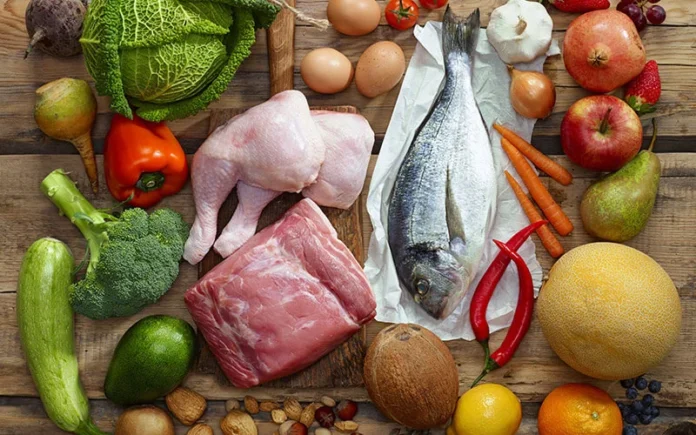
At its heart, clean eating is a philosophy—a lifestyle approach—that encourages consuming whole, natural foods while minimizing or completely eliminating processed, refined, and artificial ingredients. It’s less about counting calories or meticulously tracking macros, and more about prioritizing the quality of your food.
The simple guiding principle? Choose foods as close to their natural state as possible, and avoid anything heavily altered or manufactured.
This translates to several key rules:
- Avoid processed foods
- Avoid refined ingredients like white flour and sugars
- Steer clear of artificial additives and preservatives
- Eliminate or drastically reduce alcohol consumption
- Cut out soda, fruit juices, and other sugary beverages
A Brief Look at Clean Eating’s Roots
Pinpointing the exact origin of clean eating is tricky because it’s not a structured diet with a clear starting point. However, its ethos echoes ancient wisdom, notably from Hippocrates, the father of modern medicine, who famously said, “Let food be thy medicine and medicine be thy food.” This idea—that food itself can promote health—remains central to clean eating.
Core Components and Principles
Clean eating is not so much a diet with rigid meal plans or phases but rather a set of broad guidelines around food choices. Here’s what sets it apart:
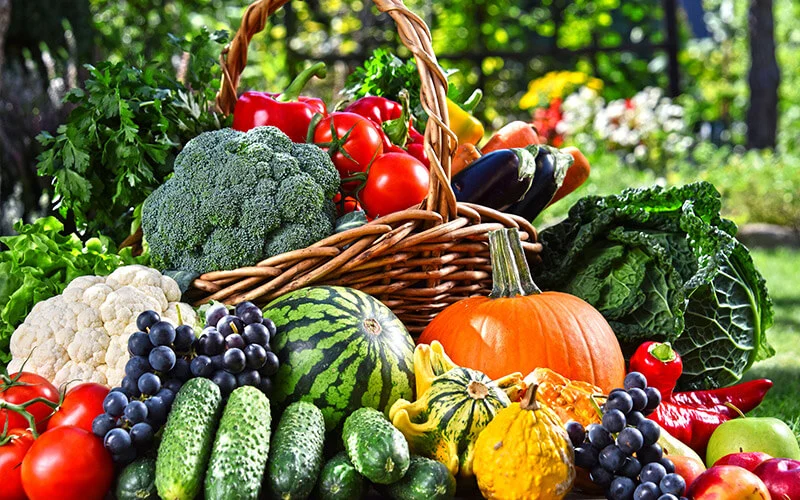
- Whole and natural foods are the foundation: fruits, vegetables, nuts, seeds, whole grains, legumes, and lean proteins.
- No calorie counting: The focus is on nourishing your body with nutrient-dense foods rather than obsessing over numbers.
- Flexible meal timing: While there’s no strict rule on how often or when to eat, many clean eating advocates suggest consuming 5-6 smaller meals or snacks made from clean foods throughout the day instead of just three large meals.
- Substantial restrictions: Because it avoids processed foods, many staples of a typical diet—like bread, pasta, crackers, chips, cereals, condiments, and dressings—are often off-limits or severely limited. Alcohol, soda, and fruit juices are usually avoided too.
Some people even adopt 30-day clean eating challenges to fully immerse themselves in the lifestyle without deviation.
Who Benefits Most from Clean Eating?
Clean eating appeals especially to individuals who prioritize the health benefits of food quality, are less concerned about strict calorie or macro tracking, and don’t mind a more restrictive approach to their diet.
Whether your goal is fat loss, muscle gain, or enhancing athletic performance, clean eating’s emphasis on nutrient-dense foods can be adapted to support a range of outcomes. The key is its flexibility in how much and when you eat, balanced by its firm stance on what you eat.
Is Clean Eating Easy to Follow?
That largely depends on your personality and habits:
- If you thrive on variety and dislike food restrictions or calorie counting, clean eating might feel limiting or difficult.
- If you prefer structure, don’t mind routine, and want to avoid the mental load of tracking every bite, clean eating can be refreshing and straightforward.
Most long-term clean eaters find balance by allowing themselves some flexibility—commonly an 80/20 or 90/10 rule—where they eat clean foods 80-90% of the time but permit occasional indulgences without guilt.
The Science Behind Clean Eating
There aren’t any direct, rigorous scientific studies on “clean eating” as a labeled diet plan, making it hard to definitively quantify its effects. Still, there are clues about why it works for many people:
- Whole, natural foods tend to be more satiating than processed alternatives, helping reduce overall calorie intake without deliberate restriction.
- Diets rich in whole foods correlate with better health markers and a decreased risk of chronic diseases such as type 2 diabetes.
However, it’s important to recognize the naturalistic fallacy—just because something is “natural” doesn’t automatically make it better or healthier in every context. Clean eating’s success likely stems from a combination of increased nutrient intake, reduced consumption of harmful additives, and better satiety.
Final Thoughts
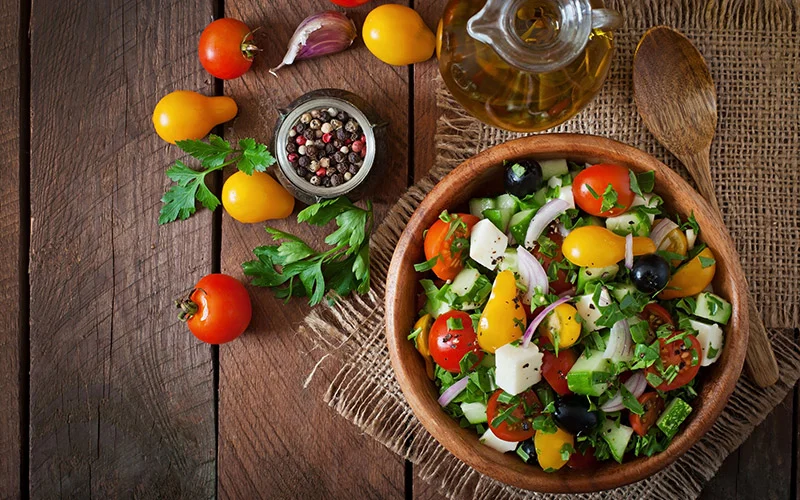
The Clean Eating Diet represents a shift away from calorie obsession toward valuing the quality of what we consume. It asks us to reconnect with real, unprocessed foods and limit substances that provide little nutritional value.
Its main principles are simple but powerful:
- Avoid processed and refined foods
- Steer clear of artificial ingredients
- Cut out alcohol, soda, and sugary fruit juices
By following these guidelines, clean eating offers a path to improved health through mindful food choices. While not a one-size-fits-all solution, it provides a framework that can be tailored to diverse lifestyles and goals—making it a compelling option for those seeking to nourish their bodies naturally.
If you’re ready to give clean eating a try, remember it’s not about perfection but progress. Start by adding more whole foods to your plate and gradually minimizing processed items. Your body will thank you for it.