


In nutrition conversations, few topics are as contentious as sugar—especially the comparison between fructose, glucose, and high‑fructose corn syrup (HFCS). These sugars are everywhere in the modern diet, and many people want to know: Is one truly worse for your health than the others? The answer, based on scientific evidence, defies simple sound bites.
Understanding the Sugars
At their simplest, fructose and glucose are both six‑carbon simple sugars (monosaccharides) that provide energy (calories) but little else in terms of nutrients. While they share the same chemical formula (C₆H₁₂O₆), their structures differ, leading to distinct metabolic pathways in the body.
- Glucose is the body’s primary fuel. It quickly enters the bloodstream after absorption, raises blood sugar, and triggers insulin release to help cells absorb it for energy.
- Fructose is sweeter than glucose and is absorbed differently. Instead of triggering insulin directly, it travels to the liver where it’s converted into glucose or other intermediates before being used or stored.
Both sugars occur naturally in fruits and vegetables—usually together—and are also part of sucrose (table sugar), which is a disaccharide made of one glucose and one fructose molecule.
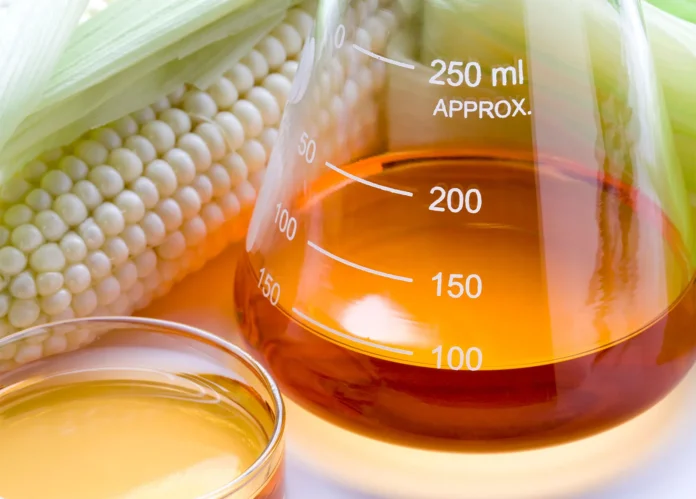
High‑Fructose Corn Syrup (HFCS) isn’t a unique chemical entity separate from these sugars. It’s a liquid sweetener derived from corn starch in which some glucose has been enzymatically converted to fructose. The two most common forms are:
- HFCS‑42, about 42% fructose and 58% glucose
- HFCS‑55, about 55% fructose and 45% glucose
Surprisingly to many, this ratio is very similar to table sugar—which is exactly 50% fructose and 50% glucose once digested—meaning the overall composition of HFCS and sucrose is almost identical from a nutritional perspective.
Why the Confusion? Names and Perception
Much of the public concern about HFCS stems from its name—“high‑fructose” sounds like it contains more fructose than other sugars. In reality, HFCS doesn’t have nearly as much extra fructose as people assume, and nutrients like honey and fruit juices often have comparable or higher fructose levels.
Additionally, much of the scientific and media discussion has hinged on studies comparing pure fructose and pure glucose—forms of sugar that most people don’t consume on their own. Because diets typically provide combinations of sugars (as in HFCS or sucrose), these isolated studies can be misleading without context.
How the Body Handles These Sugars
Glucose goes straight into the bloodstream, raising blood sugar and prompting insulin to help shuttle it into cells. Fructose, on the other hand, bypasses this insulin trigger and goes primarily to the liver. The liver turns a large portion of fructose into glucose, but it also processes it into other metabolites that can contribute to fat creation (lipogenesis) when calories are abundant.
Some researchers argue that this liver‑centric metabolism of fructose may play a role in metabolic changes associated with excess body weight and health risks, such as increased blood triglycerides or fat in the liver.
However, when fructose‑containing sugars like HFCS and sucrose are consumed at normal levels as part of calories matched with other carbohydrates, studies do not consistently show unique harms compared with other sugars. Indeed, some research suggests that the metabolic effects are more related to total calorie intake and excess energy rather than the specific type of sugar.
Is HFCS Worse Than Other Sugars?
Despite popular belief, there is no solid evidence that HFCS is inherently more harmful than regular sugar (sucrose) when both are consumed in comparable amounts. Both provide similar proportions of glucose and fructose and deliver the same calories. As a result, metabolic responses and health effects tend to be similar for HFCS and sucrose.
Some newer research even suggests that certain risk factors for metabolic disease might be influenced by the interaction between glucose and fructose, not just fructose alone, when they are consumed together as they are in HFCS or sugar.
So What’s the Bottom Line?
Here’s what the science tells us:
- All added sugars contribute calories without essential nutrients and can lead to weight gain when overconsumed.
- Fructose and glucose are metabolically different, but both are part of the typical human diet and are easily absorbed together.
- HFCS and sucrose are nutritionally very similar, and neither appears to be uniquely harmful compared to the other when calorie intake is controlled.
- Health issues linked to sugary foods are most strongly tied to high intakes and excess calories overall, rather than a single type of sugar.
Rather than fixating on whether HFCS is “worse” than table sugar, the bigger picture is clear: limiting added sugars in general—no matter the source—supports better long‑term health.