
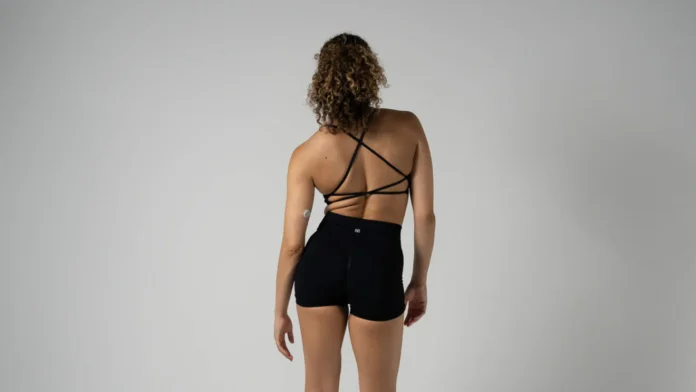


Have you ever noticed that one hip seems higher than the other, or that your body feels “off” when you walk, stand, or even dance? You’re not alone — and the good news is that uneven hips aren’t just something you have to live with. With awareness, the right movements, and consistent practice, you can significantly improve your hip alignment and reduce chronic discomfort.
Let’s explore what uneven hips really are, why they happen, how they impact your body, and most importantly — what you can do about them.
What Exactly Are “Uneven Hips”?
In medical and movement circles, uneven hips are often referred to as a lateral pelvic tilt. This means one side of the pelvis is positioned higher than the other. On the surface, this can look like one hip bone jutting up above the other — but underneath, it’s about how your muscles and posture influence your skeletal alignment.
This asymmetry isn’t necessarily dramatic from day one. For most people, it develops slowly over time due to everyday habits. And while structural factors — like a true difference in leg length or scoliosis — can contribute, the majority of cases have more functional causes tied to how the body moves and holds tension.
Why It Matters: The Ripple Effect on Your Body
Uneven hips are more than just a cosmetic quirk — they influence how your entire body functions:
- Low back pain: When one side of the pelvis sits higher than the other, your spine and core muscles must work harder to stabilize you. That extra strain can manifest as lower back discomfort.
- Movement compensation: Your muscles may tighten or weaken on either side, leading to an imbalance that affects walking, standing, and repetitive daily tasks.
- Postural patterns: What starts small can grow over years of poor posture habits, contributing to stiffness and chronic tension.
It’s like a domino effect: imbalance in one area leads to more compensation elsewhere.
Common Causes of Uneven Hips
Uneven pelvic alignment can stem from a variety of sources. Some of the usual suspects include:
- Poor posture over time: Slouching, leaning more on one leg, or habitual postures that pull your body asymmetrically.
- Muscle tightness and weakness: Tight muscles such as the quadratus lumborum or adductors, and weak hip stabilizers like the glute medius can pull the pelvis off balance.
- Carrying weight unevenly: Regularly shouldering heavy bags or backpacks on one side.
- Activity patterns: Repetitive motions or workouts that emphasize one side more than the other.
- Foot and lower limb quirks: Flat feet or slight structural differences can change how forces travel up through your body.
These imbalances tend to feed into one another. Tight muscles pull your pelvis out of alignment, which leads to more compensations — and the cycle continues unless actively addressed.
What Proper Hip Alignment Looks Like
To the untrained eye, good alignment can seem subtle — yet it’s foundational to efficient, pain-free movement:
- From the front or back: Your pelvis should sit level and parallel to the ground, with neither hip noticeably higher.
- From the side: Your hips should be neutrally positioned — not excessively tilted forward (arched lower back) or backward (flattened posterior).
This “neutral” alignment helps distribute forces evenly through the hips, spine, and legs — reducing strain and improving stability.
How to Tell If Your Hips Are Uneven
Not sure whether you have a lateral pelvic tilt? Here are a couple of simple movement checks:
1. The Trendelenburg Test
Stand and lift one leg so that your thigh and foot are parallel to the floor. As you balance on the opposite leg:
- If the pelvis drops noticeably toward the lifted side, it can indicate weakness in the hip abductor muscles — a common contributor to uneven hips.
2. The Squat Check
Perform a basic squat in front of a mirror or on video:
- Watch for a sideways shift in your hips as you rise. If one side moves more than the other, it often reflects strength or stability imbalances in the hips.
Your Action Plan: Strengthen, Stretch, and Rewire
Fixing uneven hips isn’t about a quick fix. It’s about retraining your body to move in balance — and that means building strength where it’s weak and releasing tension where it’s tight.
Strengthening Essentials
Single-leg exercises are especially effective because they force each side of your body to work independently and evenly:
- Step-ups and single-leg lunges build strength and balance.
- Clamshells: Lie on your side with knees bent. Keeping feet together, lift the top knee (like opening a shell), pause, then lower — ideal for activating the glutes.
- Hip hikes: Stand with one foot on a step and lower and lift your free hip, emphasizing control — helps train pelvic control.
Mobility and Stretching
Stretching muscles that tend to be tight can unlock more balanced movement:
- Deep tissue release on the psoas: Using a ball or a partner’s handwork can help ease one of the major hip flexors.
- Child’s pose with side reach: This variation stretches the quadratus lumborum, which often tightens in people with hip imbalances.
Body Awareness Matters
Fixing uneven hips isn’t only about specific movements — it’s also about how you sit, stand, and carry yourself throughout the day. Pay attention:
- Do you favor one leg?
- Do you lean or slouch when you work or scroll?
- Are you asymmetric with how you load your shoulders?
Mindful movement is the real “secret sauce” that turns small improvements into lasting change.
Final Takeaway
Uneven hips are a common condition that many of us develop over time due to posture habits, muscle imbalances, and daily movement patterns. But this isn’t an irreversible situation — with targeted strengthening, thoughtful stretching, and a bit of body awareness, you can work toward alignment that feels better and functions better.
Your body doesn’t lie — but with the right approach, it can learn to move more symmetrically… for good.