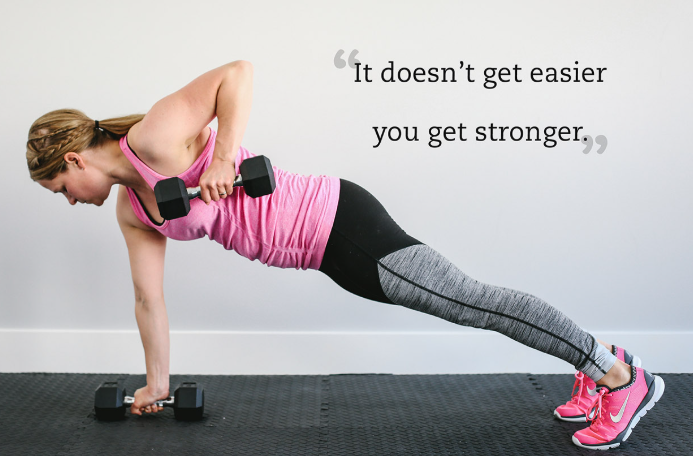


Whether you’re new to fitness or haven’t picked up a dumbbell since high school gym class, resistance training is one of the most powerful tools you can add to your routine. Often misunderstood as something only serious athletes do, strength training—also called resistance or muscular training—is a cornerstone of lifelong health and function. It improves your ability to move, supports everyday activities, and bolsters your physical and mental well-being in ways that go far beyond aesthetics.
Why Resistance Training Matters
Resistance training challenges your muscles to work against an opposing force. That force could be your own body weight, dumbbells, resistance bands, gym machines, or even household objects like a backpack filled with books. No matter the tool, the benefits are real and far-reaching.
Here’s what regular resistance training can do for you:
- Maintain and build muscle: Starting in adulthood, we naturally lose muscle mass, which can affect how easily we walk, climb stairs, or carry groceries. Strength training slows this decline and keeps you capable and confident.
- Boost metabolism: Muscle burns more calories at rest than fat, so by preserving muscle through resistance work, you support a healthier metabolic rate.
- Protect joints and bones: Strengthening muscles around joints helps you move more safely and reduces injury risk. Plus, loading the skeleton through resistance work can help preserve bone density and lower the risk of osteoporosis.
- Support overall health: From improving body composition to enhancing low-back health and even reducing symptoms of arthritis or depression, muscles matter.
In short, resistance training supports not only how you look but how you live.
Getting Started: Building Your First Workouts
Before jumping into your first session, think about three key things: your goals, your experience level, and your equipment. You don’t need fancy tools or a gym membership to begin—just a plan that fits your life.
1. Set Your Intention
Are you aiming to build general fitness? Improve posture? Get stronger for a sport or daily tasks? Knowing your goals helps you choose appropriate movements and structure your workouts effectively.
2. Pick Your Tools
Your resistance can come from many sources:
- Body weight (great for beginners and always available)
- Resistance bands (portable and versatile)
- Dumbbells, kettlebells, or gym machines (ideal if you have access)
What matters most is consistency—not how heavy the weights are.
3. Choose Balanced Exercises
Aim to target all major muscle groups in each session: chest, back, shoulders, arms, core, hips and legs. For general fitness, a good rule of thumb is:
- 1–4 sets per exercise
- 8–15 repetitions per set
- 2–3 minutes of rest between sets
You can safely perform a full-body workout 2–3 non-consecutive days per week, leaving time in between sessions for recovery.
Sample Beginner Workouts
Here are two simple, balanced routines you can start with—one for at-home training and one for gym settings.
At-Home Resistance Training (Minimal Equipment)
| Exercise | Muscle Group Targeted |
|---|---|
| Bent-knee push-ups | Chest |
| Contralateral limb raises | Back |
| High plank T-spine rotation | Shoulders |
| Plank-ups | Arms |
| Prone ABCs | Core |
| Body-weight squat | Hips |
| Forward lunge | Legs |
| This routine uses body weight and simple movements to build foundational strength. |
Gym-Based Resistance Training
| Exercise | Muscle Group Targeted |
|---|---|
| Chest press | Chest |
| Incline reverse fly | Back |
| Front raise | Shoulders |
| Hammer curl | Arms |
| Half-kneeling hay baler | Core |
| Front squat | Hips |
| Lateral lunge | Legs |
| With access to machines and free weights, you can add variety and scale resistance more easily. |
Tips for Success
- Start slow and focus on form: Good technique keeps you safe and ensures you’re actually working the intended muscles.
- Rest is part of progress: Muscles repair and grow stronger between sessions.
- Mix it up: Variety not only keeps workouts interesting but also challenges your body in new ways.
- Track what you do: Recording sets, reps, and weights helps you see progress over time.
Final Word
Resistance training isn’t just about looking stronger—it’s about becoming stronger in how you live. With simple planning and even basic tools, you can build a routine that supports your long-term health, improves daily movement, and boosts confidence along the way. Start small, stay consistent, and let the strength you build today become the foundation for tomorrow’s active life.