

In recent years, the concept of body positivity has exploded into mainstream conversation — and for good reason. At its heart, this movement encourages us to embrace our bodies with love, acceptance, and appreciation regardless of shape, size, or ability. After all, who doesn’t want to feel confident, comfortable, and grateful for their body’s capabilities rather than constantly comparing themselves to unrealistic ideals?
But while body positivity is rooted in uplifting self-worth, the conversation is far more nuanced than simply “love yourself as you are.” Like any cultural movement, it has its extremes — both of which can be unhelpful or even harmful if taken too far. Navigating between these extremes with clarity, compassion, and intention is essential to fostering a healthy relationship with your body — physically, emotionally, and mentally.
Why the Extremes Can Be Problematic
Let’s start by understanding the two contrasting extremes that often emerge in discussions about body image:
1. Hyper-Focus on Weight and Appearance
On one end of the spectrum is an intense fixation on body size and external appearance. From airbrushed magazine spreads to polished social media #fitfluencers, we’re constantly inundated with images designed to sell perfection — perfection that’s often digitally altered or impossible to maintain in real life.
This unrealistic standard can leave people feeling inadequate, insecure, or perpetually “not enough.” It contributes to low self-esteem, disordered eating, and harmful behaviors tied to chasing an ideal rather than nurturing actual well-being.
2. Misinterpreted “Health at Every Size”
On the opposite end is a version of body positivity that dismisses any attention to health-related factors, suggesting that lifestyle habits like nutrition or physical activity don’t matter if your goal is simply to accept your body.
While it’s vital to challenge stigma and celebrate diversity, denying the well-established links between excess body fat and increased risk for certain health conditions — like heart disease, diabetes, and others — can be misleading and even harmful. Acknowledging those risks doesn’t negate the value of every body; it simply acknowledges that health is multifaceted.
Finding the Middle Ground: A More Holistic Approach
So what’s the solution? Instead of swinging toward either extreme, the goal is to find a balanced, compassionate perspective that honors both self-acceptance and mindful self-care. This doesn’t mean adopting a rigid or one-size-fits-all method — it means creating space for nuance, empathy, and personal values.
Here are some practical principles to help you navigate this “harmonious middle”:
🔹 1. Embrace Compassion Over Comparison
Shift your internal narrative from weighing yourself against others to appreciating what your body does. It’s far more meaningful to value how your legs carry you through the day, how your heart supports your life, and how your body helps you experience joy — than to fixate on fitting an external ideal.
🔹 2. Nourish With Intention
Instead of strict dieting or extreme avoidance, prioritize balanced eating that feels good — both physically and emotionally. Enjoy whole foods, listen to your hunger and fullness cues, and eat mindfully. Let nourishment be about fueling your life, not punishing your body.
🔹 3. Redefine Movement
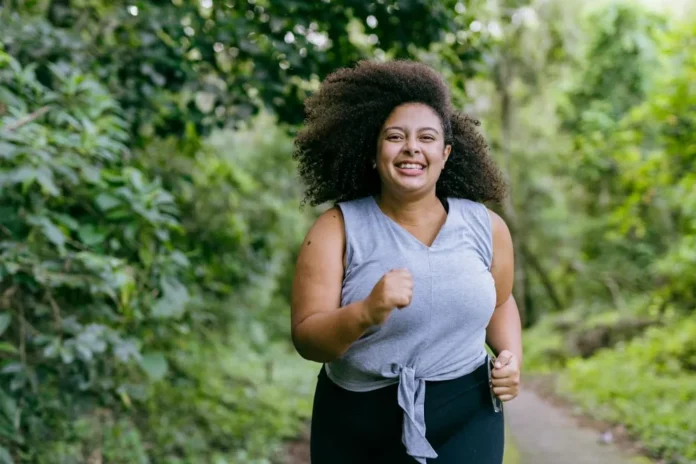
Exercise shouldn’t feel like a punishment for eating or a means to shrink yourself. Seek forms of movement that bring joy — dancing, hiking, swimming, yoga — whatever energizes you. Movement becomes a celebration of what your body can do, not a tool to change how it looks.
🔹 4. Set Healthy Boundaries With Media
Our digital environments are filled with curated perfection. Be intentional about what you consume. Follow communities that uplift diverse bodies, challenge harmful beauty standards, and inspire self-respect. Turn away from content that makes you feel “less than.”
🔹 5. Recognize There’s No Single Path
What works for someone else won’t necessarily work for you — and that’s okay. Whether your goals involve fitness milestones, deeper self-acceptance, or holistic health improvements, your journey should be uniquely yours.
🔹 6. Seek Support When Needed
Body image issues and disordered eating are real struggles, and they deserve professional attention. Therapists, counselors, dietitians, and health coaches can offer personalized guidance that honors both your physical and emotional health.
Redefining What Health Means
Finding balance in your relationship with your body isn’t just about looking a certain way or rejecting health advice. It’s about cultivating kindness, respect, and curiosity — learning to listen to yourself, treat yourself well, and make choices that align with your well-being.
Body positivity isn’t a destination — it’s a practice. Sometimes you’ll do it with ease, and sometimes you’ll struggle. But approaching it with patience and self-acceptance opens the door to a healthier, more peaceful connection with yourself.
Let’s move forward together, honoring both the beauty of diversity and the importance of living well — not through extremes, but through balance.