

In the world of health foods, few little seeds have sparked as much buzz as chia. These tiny powerhouses—derived from the Salvia hispanica plant, a member of the mint family—have been touted as a weight‑loss superfood, a metabolism booster, and a component of everything from smoothies to “chia water.” But decades after their resurgence in modern nutrition culture, what does the science really say about chia seeds and shedding pounds? Let’s unpack the evidence and offer a balanced perspective.
What Are Chia Seeds?
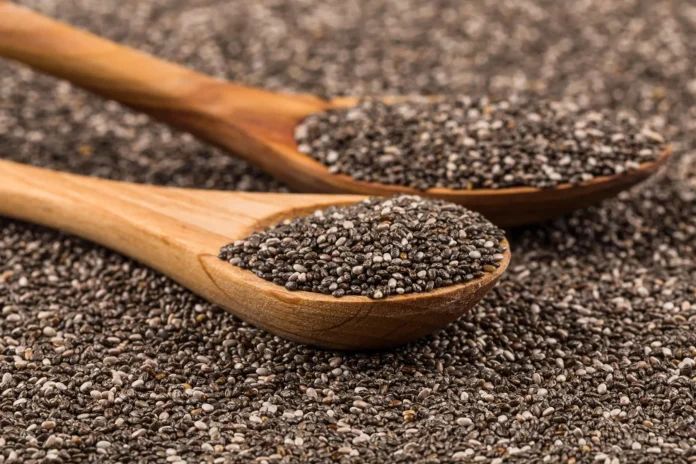
Chia seeds are small, nutrient‑dense seeds with a long history in Central American diets. Packed with fiber, healthy fats, plant‑based protein, and a range of micronutrients, they’ve earned a reputation as a “superfood.” When exposed to liquid, they form a gel‑like substance—thanks to their soluble fiber—which is often cited as a key reason they may influence appetite and digestion.
The Reason Chia Is Linked to Weight Loss
The primary way chia seeds might support weight loss has less to do with burning fat and more to do with how they alter digestion and appetite:
- Fiber slows digestion and increases fullness. Chia seeds are rich in both soluble and insoluble fiber. The soluble portion absorbs many times its weight in water and expands in the gut, which can help you feel full longer after eating. Feeling full longer can support consuming fewer calories overall—an essential piece of weight loss.
- Protein contributes to satiety. Although chia isn’t a major source of protein compared with animal foods or legumes, its plant‑based protein adds to the sense of fullness that helps regulate food intake.
These effects—reduced hunger, slower digestion, more stable blood sugar—are often associated with diets high in fiber and protein, which can support a calorie deficit over time.
What the Research Shows
Here’s where reality tempers the hype:
Mixed Evidence in Human Studies
While the fiber in chia seeds is clearly beneficial for digestion and satiety, clinical studies specifically testing their impact on weight loss have yielded mixed results:
- Some research suggests that people who add chia seeds to their diet may experience modest reductions in waist circumference and appetite, which could contribute to weight loss.
- Other reviews, including meta‑analyses of randomized controlled trials, found no significant change in body weight or BMI simply from consuming chia seeds.
In plain terms: chia seeds alone aren’t a magic bullet for weight loss. They may support weight management as part of a broader, calorie‑controlled diet, but they are unlikely to dramatically change your weight if everything else stays the same.
Beyond Weight: Other Health Benefits
Even if chia seeds aren’t a guaranteed slimming solution, they still offer several potential health benefits worth noting:
- Heart health: Chia seeds are rich in omega‑3 fatty acids—especially alpha‑linolenic acid (ALA)—which may support cardiovascular health and help lower blood pressure. Some studies report beneficial effects on systolic blood pressure and inflammatory markers.
- Digestive health: The high fiber content supports regular bowel movements and can promote a healthy gut microbiome.
- Nutrient density: While they don’t provide large amounts of vitamins, chia seeds do supply minerals like calcium, magnesium, phosphorus, and antioxidants that contribute to overall health.
These benefits mean chia seeds can be a useful part of a balanced diet—even if they aren’t a weight‑loss miracle.
How to Use Chia Seeds Sensibly
If you want to include chia seeds in your routine, here are some practical tips:
- Soak before eating: Because they absorb so much liquid, chia seeds should be mixed with water, milk, or another liquid for at least 10–15 minutes. This reduces choking risk and makes them easier to digest.
- Start small: If you’re new to high‑fiber foods, begin with 1–2 tablespoons per day and increase gradually to avoid digestive discomfort.
- Pair with a healthy diet: Think of chia as a complementary ingredient—not a standalone weight‑loss strategy. Use them to enhance meals like smoothies, yogurt, oatmeal, or salads, but focus on overall calorie balance and nutrient quality.
The Bottom Line
Tiny but mighty, chia seeds are a nutritious food with several health benefits. Their high fiber and protein content can help you feel more satisfied and support digestive health—factors that may help with weight management when paired with a balanced diet and healthy lifestyle.
However, the scientific evidence does not support the idea that chia seeds by themselves will lead to meaningful weight loss. They are a tool—not a cure—and work best when integrated into broader dietary changes. Add them to your meals for added nutrition, but don’t expect them to melt away the pounds on their own.