


As we step into 2026, the way we think about food and health continues to evolve. Registered dietitians (RDs) across the country are spotlighting shifts in what we eat, why we eat it, and how it supports overall well-being. Gone are the days when diets centered solely on weight loss or quick fixes. Instead, the focus is turning toward deeper, science-backed habits that prioritize long-term health—starting with your gut.
Here’s a breakdown of the top nutrition themes dietitians predict will shape eating habits in the year ahead.
1. The Rise of Fiber: “Fibermaxxing” Goes Mainstream
In 2026, fiber is poised to take the spotlight from protein as the nutrient most talked about by nutrition experts. While protein has dominated conversations for years, fiber’s importance—from digestive health to blood sugar control—is now getting its due. Dietitians are calling this surge in interest fibermaxxing, a movement where people intentionally boost their daily fiber intake through whole foods and fortified products.
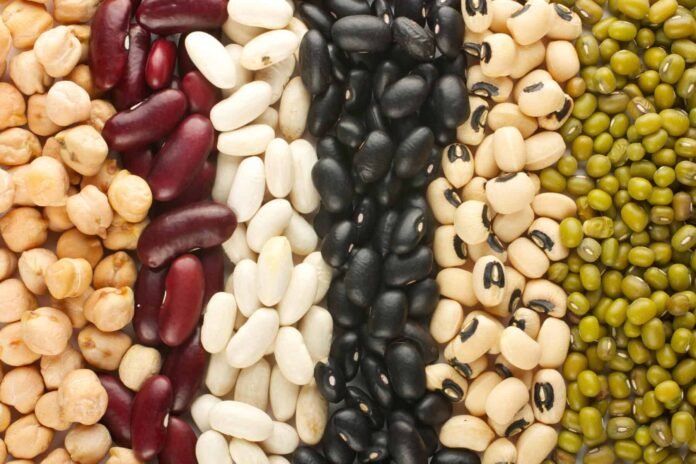
Foods rich in fiber—like legumes, whole grains, vegetables, and fruits—do more than just keep digestion regular. They support a diverse gut microbiome, help maintain satiety after meals, and can positively influence metabolic health. RDs expect more high-fiber cereals, breads, snacks, and drinks to hit mainstream shelves this year.
2. Gut Health Becomes Foundational, Not Faddy
Gut health isn’t just a buzzword—it’s becoming a cornerstone of nutritional guidance. Rather than chasing detoxes or exotic supplements, dietitians emphasize time-tested approaches: eating regular meals, incorporating a variety of high-fiber foods, and enjoying naturally fermented staples like yogurt, kimchi, and kefir.
This trend isn’t about quick fixes. It’s about sustained habits that nurture the microbiome, improve digestion, support immune function, and even affect mood and energy levels. Simple changes—like adding beans to soups or snacking on raw veggies—can go a long way.
3. Protein Still Matters—Just Smarter
While fiber is rising, protein remains essential—but the narrative is shifting. Instead of fixating on huge protein numbers, dietitians encourage spreading protein evenly across meals and choosing quality sources. That includes lean animal proteins like poultry, seafood, and eggs, along with plant-forward options such as lentils, peas, nuts, and seeds.
Balanced protein supports muscle maintenance, stabilizes blood sugar, and helps keep you feeling full longer. This approach resonates with trends seen in foodservice too, as many restaurants and brands highlight protein-rich items that fit busy lifestyles.
4. Plant-Based Eating Gets Real—and Grounded
Plant-based diets continue to evolve, moving beyond trendy meat substitutes toward whole plant foods that deliver nutrition and satisfaction without heavy processing. Think hearty lentil stews, chickpea salads, tempeh stir-fries, and foods where legumes and whole grains are the star ingredients—not just imitators of animal products.
This shift reflects broader consumer priorities: sustainability, ingredient transparency, and eating in ways that support both personal wellbeing and planetary health.
5. Functional Foods Become Everyday Staples
“Functional” isn’t just a buzzword anymore—it’s influencing what ends up in your grocery cart. Foods and beverages designed with specific health benefits in mind are expected to surge in popularity throughout 2026. These include products that target immune support, gut health, cognitive function, hydration, and even stress resilience.
From adaptogen-enhanced drinks to snacks with added antioxidants, consumers are seeking foods that do more than just fill you up—they support your body’s systems. RDs emphasize that while these foods can be helpful, foundational choices like whole fruits, vegetables, and balanced proteins remain central.
6. Connecting Food With Mood and Mind
Nutrition and mental wellness are becoming increasingly linked in the public eye. Research continues to explore how what we eat affects brain health, stress levels, and emotional balance, leading more people to prioritize foods that support mind-body wellness.
Key nutrients like omega‑3 fatty acids, magnesium, and certain botanicals—such as ashwagandha and rhodiola—are gaining attention for their potential roles in mood stabilization and stress resilience, though dietitians caution against overselling any single ingredient.
7. The Influence of GLP‑1 Medications on Eating Habits
Another noteworthy trend shaping food choices in 2026 is the influence of GLP‑1 medications—popular drugs used for weight management and metabolic health. These medications often reduce appetite and portion size, creating a greater demand for nutrient‑dense, balanced meals that make the most of smaller portions.
This shift is reflected not just in personal eating habits but also in food product development and restaurant menus, where high‑protein, high‑fiber, and easily digestible options are increasingly featured.
What This Means for You
Nutrition in 2026 is less about rigid rules and more about intentional eating—choosing foods that support long‑term wellbeing, digestive balance, mental clarity, and metabolic health. The trends RDs are highlighting this year reinforce a broader movement: food as a tool for sustained wellness, not just short‑term goals.
Whether it’s paying attention to fiber, diversifying your plate with whole plant foods, or understanding how your body responds to what you eat, the smartest approach combines simplicity, science, and personalization.