

For decades, many in the fitness world have preached that protein must be consumed immediately after exercise to maximize muscle growth and recovery. The so‑called “anabolic window” — a short period after training when muscles are thought to be most receptive to nutrients — has been treated like gospel in gym culture. But when we look closely at the science, the story becomes more nuanced.
The Old View vs. the New Perspective
The traditional belief holds that right after a workout — especially resistance training — your muscles enter a brief phase of heightened sensitivity to protein. According to this view, if you don’t drink a protein shake within an hour of finishing, you’ll miss a key opportunity for muscle repair and growth.
Recent research challenges that rigid timeline. While muscles are sensitive to nutrients after exercise, that sensitivity isn’t confined to a narrow window. In many cases, the “window” extends for several hours — possibly up to a full day — depending on when you last ate and the type of workout you did.
So rather than a frantic scramble for the nearest shaker bottle right after your last set, what matters more is how much protein you eat over the course of the entire day — and that daily total plays the leading role in muscle adaptation.
How Much Protein Is Enough?
Most people who lift weights or engage in regular strength training don’t need an astronomical amount of protein immediately post‑exercise. The research suggests that 20–40 grams of high‑quality protein in a meal or shake is generally sufficient to stimulate muscle protein synthesis — the process by which muscles repair and grow stronger.
This range roughly aligns with 0.24–0.40 grams of protein per kilogram of body weight per meal, depending on your size and goals. For the average adult, that equates to roughly:
- 20 grams — a modest dose (e.g., eggs plus Greek yogurt)
- 30–40 grams — more robust, apropos for larger individuals or post‑heavy workouts
However, if you’re training intensely or seeking to maximize muscle gain over time, spreading your protein intake fairly evenly across multiple meals (including your post‑workout meal) tends to support better muscle protein balance than loading all your protein into one single feeding.
What About the Myth of the Strict “Anabolic Window”?
The idea that muscles are only receptive to protein for a narrow 30‑ to 60‑minute period after exercise is overstated. Muscle sensitivity to dietary protein can remain elevated for many hours after a workout — some research suggests even up to 24‑48 hours.
This means that if you finish a workout and eat a balanced meal within a couple of hours — particularly if your pre‑workout meal was several hours earlier — your body still has ample opportunity to utilize the protein you consume for recovery and growth.
Of course, if you’ve trained fasted (for example, first thing in the morning before eating), then eating protein sooner rather than later can help quickly shift you from a negative protein balance — when breakdown exceeds synthesis — into a more anabolic (building) state.
Why Daily Protein Matters Most
The strongest predictor of muscle gains isn’t whether you chugped a shake immediately post‑workout — it’s whether your total daily protein intake supports your training goals. For most people engaged in regular resistance exercise, this means aiming for roughly:
- 1.4–2.0 grams of protein per kilogram of body weight per day, depending on training intensity and goals.
Within that framework, hitting a few well‑timed protein‑rich meals — pre‑ or post‑workout included — is a helpful strategy. But obsessing over a strict 60‑minute window doesn’t significantly outperform a more relaxed but consistent approach.
Quality and Timing Together
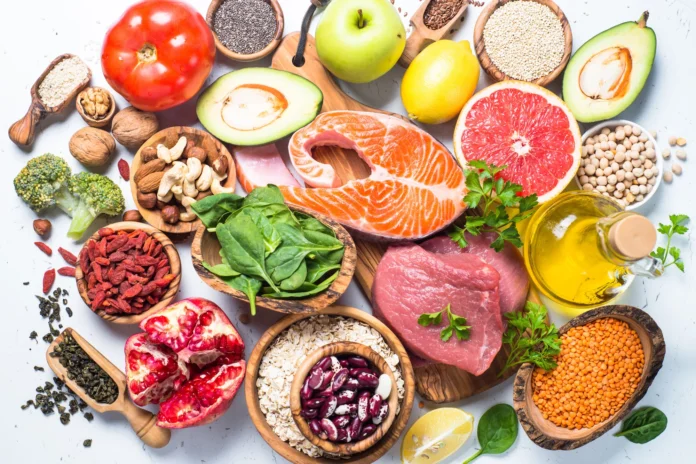
Though timing is less rigid than once thought, food quality still matters. High‑leucine, complete protein sources — like dairy, eggs, meat, and soy — more effectively stimulate muscle protein synthesis because they deliver all essential amino acids, especially leucine, which acts as a key trigger.
Also, pairing protein with carbohydrates after training can help replenish depleted glycogen stores and may further support recovery, especially after intense or prolonged sessions.
Practical Takeaways
Here’s a simple, science‑based guide you can take to the gym and kitchen:
1. Don’t panic about the “magic” 30‑minute post‑workout window.
A protein‑rich meal within a couple of hours is effective.
2. Aim for ~20–40 grams of protein at your post‑workout meal.
This typically maximizes the muscle‑building response.
3. Total daily protein intake is your main priority.
Meet your daily goals first, then optimize timing if desired.
4. Choose high‑quality sources of protein and enjoy a balanced diet.
Whole foods remain the strongest base, with supplements as convenient options.
5. Spread your protein across meals for sustained muscle protein synthesis.
Multiple feedings throughout the day support long‑term gains.